


How Peer-to-Peer Marketplaces Are Disrupting Traditional Commerce


Executive Insight
For decades, traditional commerce has followed a predictable structure: manufacturers produce, wholesalers distribute, retailers sell, and consumers buy. Each layer adds cost, complexity, and delay.
Today, that structure is being fundamentally challenged. Peer-to-peer (P2P) marketplaces are removing intermediaries, allowing individuals to transact directly with one another in real time.
This shift is not incremental—it is transformational. It signals the rise of decentralized commerce, where power moves from institutions to individuals, and value flows more efficiently across networks rather than hierarchies.
The Shift from Centralized Retail to Decentralized Ecosystems
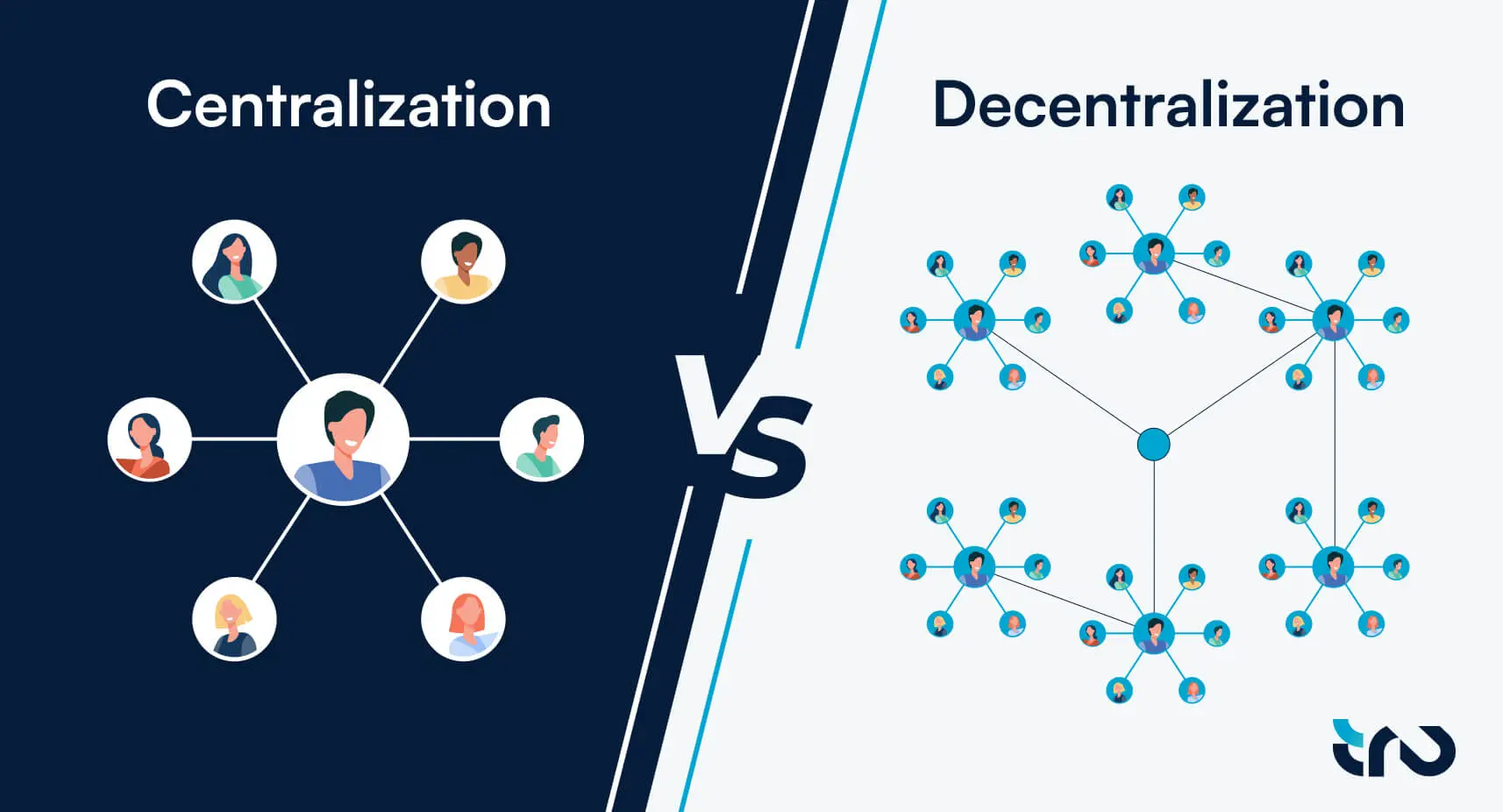

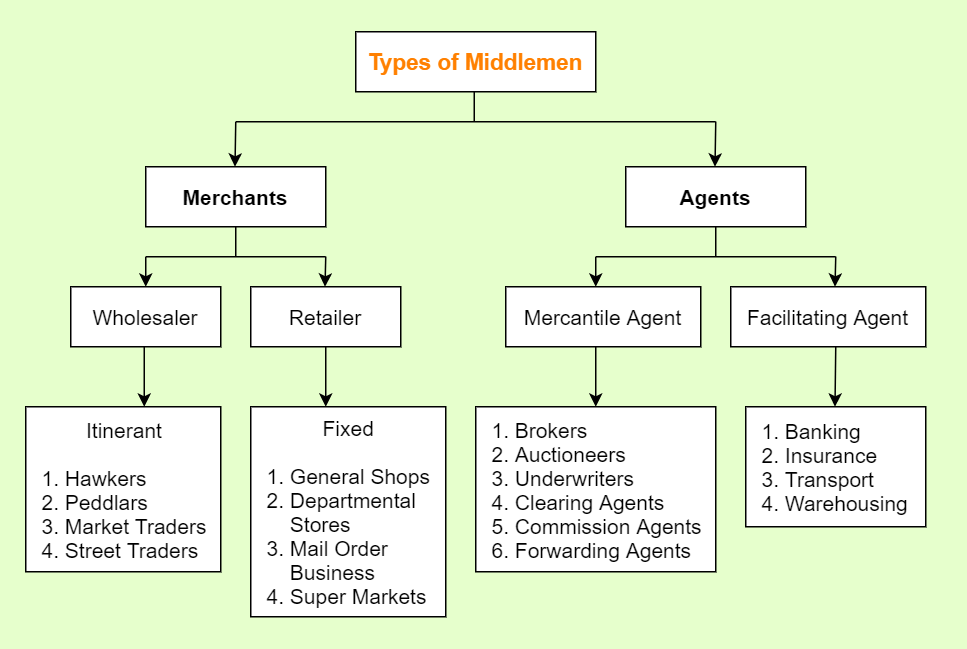
Traditional retail operates on a centralized model:
- Suppliers depend on distributors
- Distributors rely on retailers
- Consumers have limited price control
In contrast, P2P marketplaces operate on a network model:
- Individuals list items directly
- Buyers negotiate with sellers
- Platforms facilitate—not control—transactions
The result is a system that is:
- More flexible
- More efficient
- More inclusive
This is the same structural disruption seen in industries like transportation (ride-sharing) and accommodation (home-sharing). Commerce is simply the next frontier.
Cost Efficiency vs Traditional Retail


One of the most immediate advantages of P2P marketplaces is cost efficiency.
Traditional Retail Cost Structure:
- Manufacturing costs
- Logistics and warehousing
- Retail overhead (rent, staff, utilities)
- Marketing and distribution margins
Each layer increases the final price.
Peer-to-Peer Advantage:
- No physical storefront costs
- Minimal platform fees
- Direct negotiation between parties
- Flexible pricing based on perceived value
This leads to:
- Lower prices for buyers
- Higher margins for sellers
- Faster transaction cycles
In emerging markets like Nigeria, where price sensitivity is high, this efficiency is not just beneficial—it is essential.
Trust Systems and User Ratings

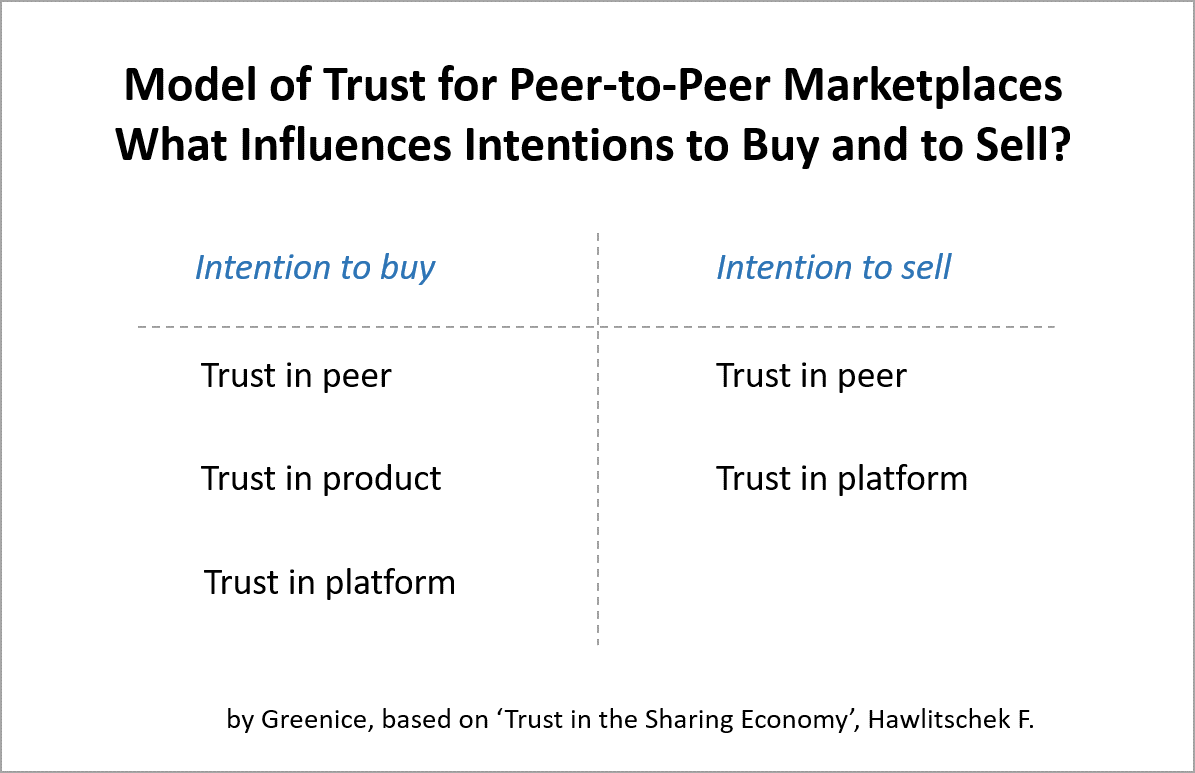
A common concern in decentralized systems is trust. Without a central authority, how do users feel secure?
The answer lies in digital trust architecture.
Modern P2P platforms integrate:
- User profiles and identity layers
- Ratings and reviews
- Transaction histories
- Messaging transparency
These systems create reputation-based trust, where credibility is earned over time.
Unlike traditional retail—where trust is placed in a brand—P2P marketplaces shift trust to individual behavior and community validation.
This often results in:
- More accountability
- Greater transparency
- Stronger user engagement
Trust becomes dynamic, not static.
The Rise of Decentralized Commerce
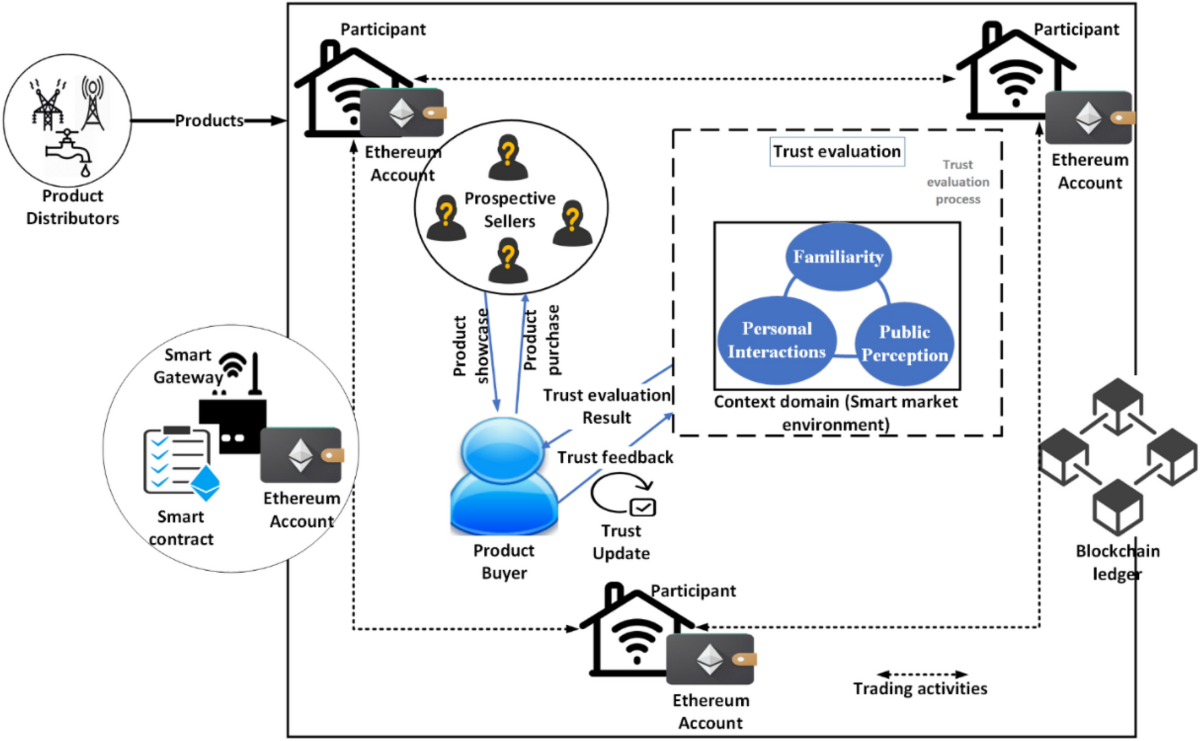


Decentralized commerce is more than a trend—it is a structural evolution.
Key Drivers:
- Increased smartphone penetration
- Improved internet accessibility
- Shift toward digital-first lifestyles
- Economic pressure encouraging alternative income streams
What Makes It Powerful:
- Anyone can become a seller
- Assets can be monetized instantly
- Barriers to entry are minimal
This model empowers:
- Students
- Freelancers
- Small business owners
- Everyday households
It transforms consumers into active participants in the economy, not just passive buyers.
The Case for TradeSwap’s Model



Within this evolving landscape, TradeSwap represents a particularly compelling model.
1. Beyond Buying and Selling
While many P2P platforms focus solely on transactions involving money, TradeSwap expands the model to include:
- Direct item swaps
- Hybrid trade + cash deals
- Value-based exchanges
This significantly increases transaction possibilities
2. Addressing Liquidity Constraints
In markets where cash flow is limited, TradeSwap enables users to:
- Trade assets instead of relying on cash
- Unlock value from unused items
- Maintain economic activity despite financial constraints
3. Built for Mobile-First Users
TradeSwap aligns with Africa’s mobile-driven ecosystem by offering:
- Simple listing processes
- Real-time messaging
- Accessible interface design
This ensures usability across diverse user segments.
4. Enabling a Circular Economy
By encouraging reuse and exchange, TradeSwap supports:
- Reduced waste
- Extended product lifecycles
- Sustainable consumption patterns
5. Community-Driven Growth
As more users join:
- Network effects increase
- Matching opportunities improve
- Platform value compounds over time
Strategic Implications for Businesses and Consumers
The rise of P2P marketplaces forces a fundamental rethink of commerce.
For Businesses:
- Need to adopt platform-based strategies
- Shift toward community engagement
- Focus on value, not just pricing
For Consumers:
- Greater control over transactions
- Ability to monetize personal assets
- Participation in a more flexible economy
Conclusion
Peer-to-peer marketplaces are not simply competing with traditional retail—they are redefining it.
By removing intermediaries, reducing costs, and empowering individuals, these platforms are creating a more inclusive and efficient economic system.
TradeSwap stands at the center of this transformation, offering a model that goes beyond buying and selling to enable true value exchange.
In a world where flexibility, efficiency, and accessibility define success, decentralized commerce is not the future-it is the present.
Leave a Comment