


Trade Without Cash: The Strategic Advantage of Barter Platforms


4
Focus
For centuries, commerce has been anchored in currency. But across emerging markets, a powerful shift is underway-value is replacing cash as the primary driver of exchange.
In environments where liquidity is inconsistent, barter platforms are not a fallback-they are a strategic economic advantage.
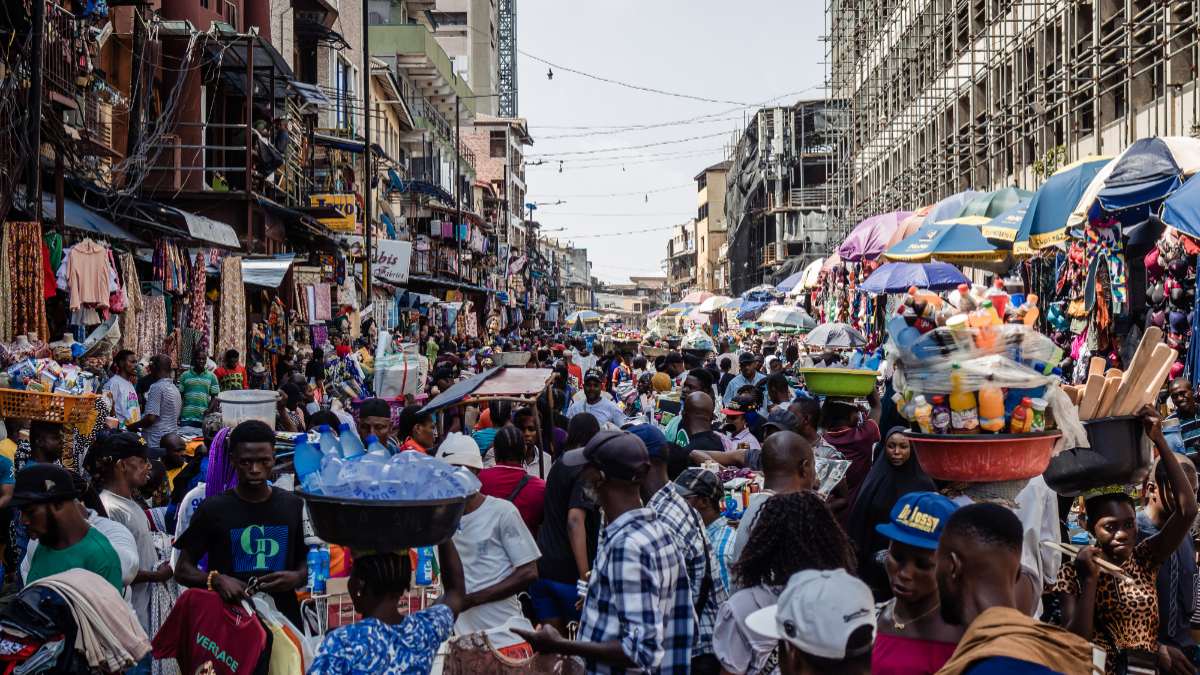
Liquidity Challenges in Emerging Markets
4
Liquidity constraints remain one of the most pressing challenges in many African economies.
Key Realities:
- Irregular income streams for individuals and small businesses
- Limited access to formal credit systems
- Inflation reducing purchasing power
- Cash flow gaps affecting daily transactions
This creates a paradox:
👉 People may own valuable assets, yet lack the liquidity to meet immediate needs.
Traditional commerce fails here because it assumes cash availability.
Barter platforms remove that assumption entirely.
Asset-Based Transactions

4
Barter platforms redefine economic participation by shifting the question from:
“How much money do you have?”
to
“What value can you offer?”
What Counts as an Asset?
- Electronics (phones, laptops, gadgets)
- Fashion and accessories
- Furniture and appliances
- Professional services
- Business inventory
These assets, often underutilized, become liquid through exchange.
Strategic Benefits:
- Unlock hidden value in households
- Increase transaction frequency
- Enable trade without financial strain
This model transforms passive ownership into active economic utility.
Reducing Dependency on Cash


4
Reducing reliance on cash has broader economic implications.
1. Increased Economic Resilience
When transactions are not tied strictly to currency:
- Trade continues even during financial downturns
- Individuals maintain access to goods and services
2. Flexibility in Transactions
Barter platforms allow:
- Partial swaps (item + cash)
- Multi-item exchanges
- Negotiated value agreements
3. Inclusion Without Banking
Users without:
- Bank accounts
- Debit cards
- Credit history
…can still fully participate in commerce.
This is particularly important in regions where financial infrastructure is uneven.
TradeSwap as a Solution


TradeSwap operationalizes the barter model in a way that is structured, scalable, and user-friendly.
Key Capabilities:
1. Seamless Listing System
Users can easily upload items with descriptions, images, and trade preferences.
2. Integrated Negotiation
Built-in messaging allows users to:
- Discuss terms
- Propose swaps
- Finalize agreements
3. Flexible Trade Models
- Direct swaps
- Swap + cash combinations
- Multi-item deals
4. Accessibility
Designed for mobile-first users, ensuring:
- Low barriers to entry
- Wide adoption potential
Strategic Takeaway
Barter platforms like TradeSwap are not replacing money—they are expanding the definition of economic value.
In markets where liquidity is constrained but assets are abundant, this model creates:
- More transactions
- More participation
- More opportunity
Cash may still dominate global commerce, but in emerging economies, its limitations are increasingly visible.
Barter platforms offer a compelling alternative-one that is:
- Inclusive
- Efficient
- Adaptive
TradeSwap stands at the center of this shift, enabling individuals and businesses to trade without constraints and thrive without dependence on cash.
Leave a Comment